








Introduction to the Tesla Model 3
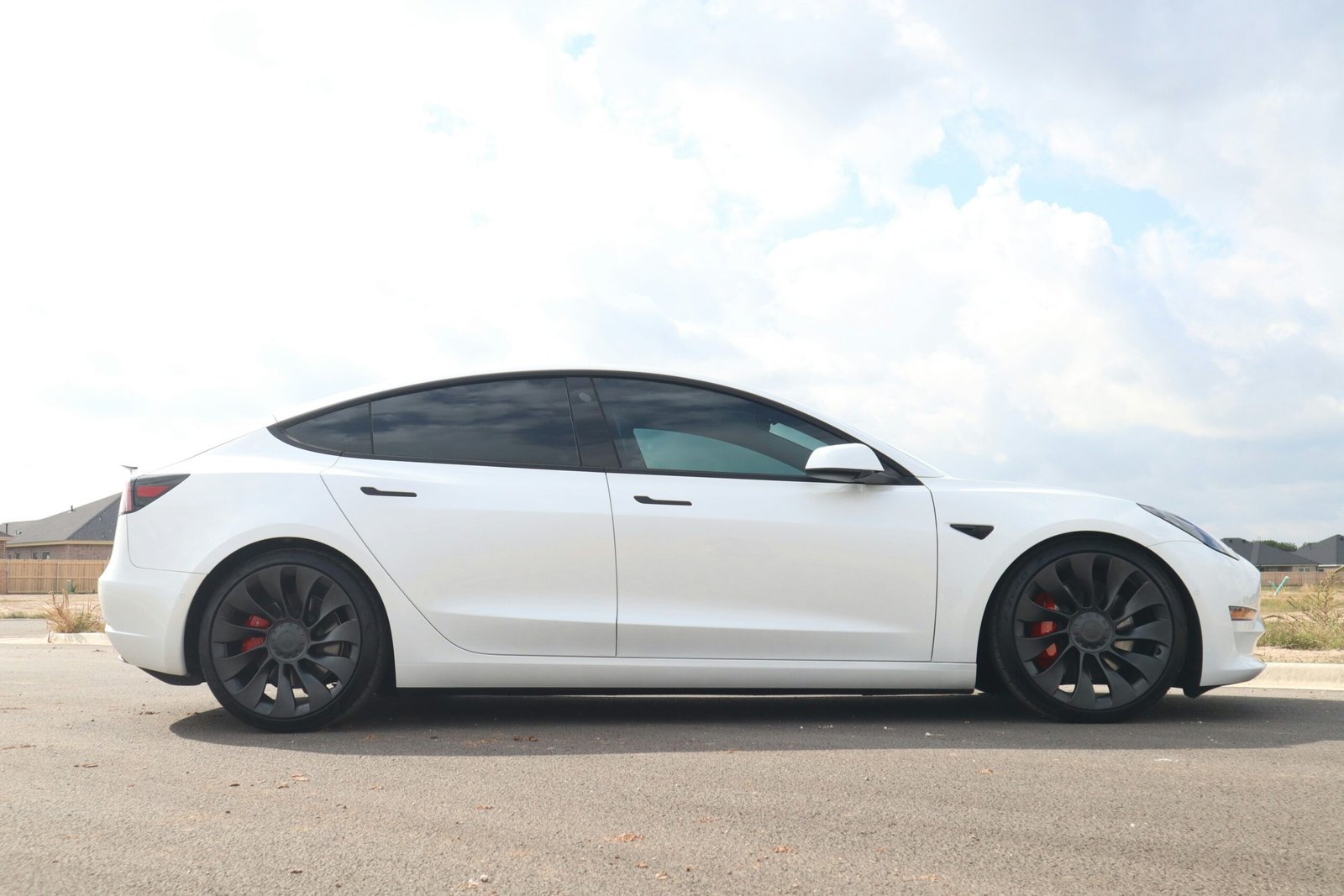
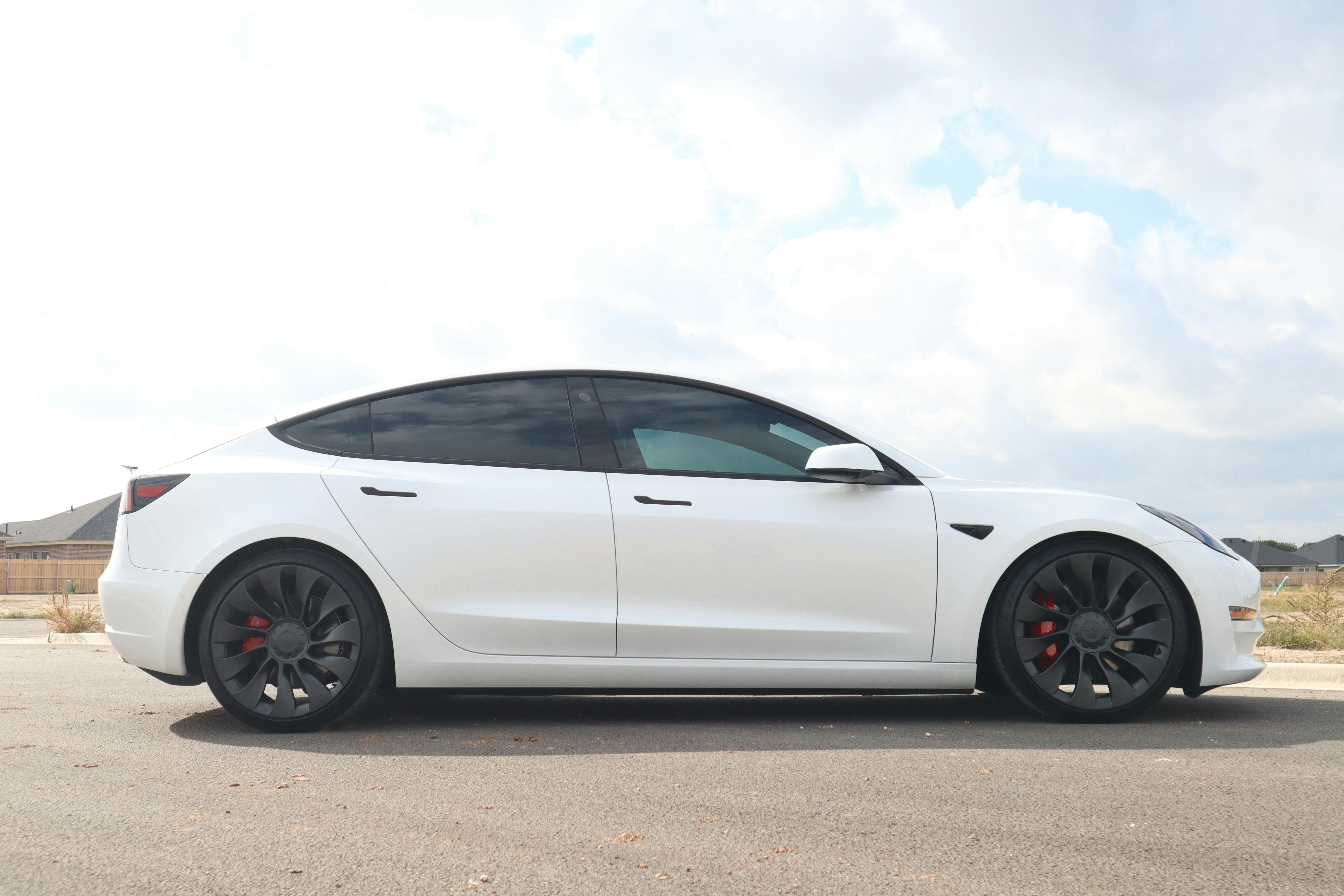
The Tesla Model 3 has carved out a significant niche in the electric vehicle (EV) market since its launch in 2017. Positioned as an affordable yet advanced electric sedan, the Model 3 was developed as part of Tesla’s ambition to broaden the adoption of electric vehicles worldwide. Its launch marked a pivotal moment in the automotive industry, signaling a notable shift toward electric mobility. As a result, the Model 3 has consistently ranked among the best-selling electric vehicles in various markets, due in part to its competitive pricing, impressive range, and innovative features.
One defining aspect of the Model 3 is its commitment to performance and engineering excellence. The vehicle is equipped with a dual-motor all-wheel-drive system that provides exceptional acceleration and handling, appealing to consumers who prioritize both efficiency and driving enjoyment. Furthermore, advancements in battery technology have enabled the Model 3 to achieve impressive range capabilities, with some variants offering over 350 miles on a single charge. This continual enhancement reinforces Tesla’s position as a leader in the electric vehicle sector.
The Model 3’s technological innovations also contribute significantly to its identity. Its minimalist interior design prioritizes driver experience, prominently featuring a central touchscreen interface that controls most vehicle functions, which has become a hallmark of Tesla’s design philosophy. Additionally, the Model 3 features advanced driving assistance capabilities, including Autopilot, which represents a step towards fully autonomous driving. These features not only set it apart from traditional sedans but also enhance user appeal, driving an increasing number of consumers towards electric sedans.
By 2026, the Tesla Model 3 has seen several updates, maintaining its relevance as a market leader in the electric sedan category. As consumers and manufacturers alike embrace the shift towards electric vehicles, the Model 3 continues to influence the landscape, showcasing the benefits of sustainable driving while remaining an attractive option for a diverse audience.
Performance and Technology Updates
The 2026 Tesla Model 3 showcases significant advancements in performance and technology, reinvigorating its status as a top contender among electric sedans. One of the noteworthy updates is the improvement in its range, thanks to an enhanced battery technology that optimizes energy consumption. The new battery architecture allows for longer distances on a single charge, making electric travel more convenient for daily commuters and long-distance drivers alike. With an impressive range of up to 400 miles, it positions the Model 3 as a practical choice for electric vehicle enthusiasts.
Acceleration remains a standout feature of the Model 3, boasting a 0-60 mph time of merely 3.1 seconds in its Performance variant. This swift performance not only amplifies the thrill of driving but also rivals many high-performance gasoline vehicles. The enhanced dual-motor all-wheel drive system improves traction and handling, ensuring a responsive driving experience even in challenging weather conditions. The suspension has also seen refinement, offering a balance between comfort and sporty handling that appeals to a wide range of drivers.
In terms of technology, the 2026 Model 3 has made notable strides with its upgraded infotainment system. The central touchscreen now features an intuitive layout, providing improved access to navigation, entertainment, and vehicle settings. The inclusion of over-the-air updates means that Tesla drivers can continuously benefit from the latest enhancements and features. Furthermore, advancements in driver-assistance technologies, such as improved Autopilot capabilities, offer not only convenience but also an added layer of safety for occupants. With various innovative tech integrations, the 2026 Tesla Model 3 solidifies its reputation as a pioneering force in the realm of electric sedans.
Comparative Analysis with Rivals
The 2026 Tesla Model 3 continues to dominate the electric sedan market, standing out when compared to its notable competitors, including the Ford Mustang Mach-E, Lucid Air, and Hyundai Ioniq 6. An analysis of these vehicles reveals key factors such as price, features, performance, and consumer satisfaction, which collectively contribute to the Model 3’s sustained popularity among buyers.
Starting with pricing, the Tesla Model 3 remains competitively priced when juxtaposed with the Ford Mustang Mach-E, which generally offers higher initial costs. The Lucid Air caters to the luxury segment with an elevated price point, often appealing to a different demographic than mainstream buyers. Meanwhile, the Hyundai Ioniq 6 offers a more budget-friendly alternative but may compromise some premium features that are standard in the Model 3.
In terms of features, the 2026 Model 3 is equipped with advanced technology, including a highly intuitive infotainment system and superior autonomous driving capabilities. Conversely, while the Mach-E boasts an impressive tech suite, it lacks the level of seamless integration and user experience that Tesla consistently delivers. The Lucid Air excels in luxury amenities, yet the focus on decadence might detract from the functional approach the Model 3 offers. The Ioniq 6 provides essential features but does not quite capture the innovative spirit that Tesla embodies.
Performance-wise, the Model 3 still holds its own with quick acceleration, a substantial driving range, and excellent handling characteristics. The Mustang Mach-E offers respectable performance metrics, but its battery range and charging capabilities can be inferior to those of the Model 3. The Lucid Air clearly leads in range but may not be as agile as the Tesla, while the Ioniq 6, while competent, lacks the exhilarating performance that many Model 3 enthusiasts expect.
Consumer satisfaction remains a pivotal area where the Tesla Model 3 shines, often scoring high on customer reviews and preferences. In comparison, while all models receive varying degrees of consumer appreciation, none have reached the benchmark of customer loyalty and satisfaction that the Model 3 has established.
Consumer Feedback and Future Outlook
The Tesla Model 3 has consistently garnered attention since its inception, and the 2026 version is no exception, with consumers offering varied insights on its performance, reliability, and overall satisfaction. Feedback from Model 3 owners reveals a positive trend in reliability, particularly when considering enhancements made in the latest iterations. Many users report fewer issues compared to earlier models, attributing this improvement to Tesla’s commitment to quality control and software updates. The electric sedan’s performance is frequently praised, especially in terms of acceleration and handling, making it a sought-after choice in the electric vehicle segment.
Customer service experiences have impacted perceptions significantly as well. While some owners acknowledge instances of delayed support or parts availability, others commend Tesla’s service centers for their responsiveness and commitment to resolving issues. This bifurcation in service experiences suggests varying levels of satisfaction among consumers, highlighting the need for Tesla to continually refine its customer service processes to match its product excellence.
Looking towards the future, the Tesla Model 3 remains an influential player in the evolving electric vehicle market. As new competitors emerge, such as Lucid Motors and Rivian, the pressure will be on Tesla to innovate. The 2026 Model 3 is positioned to face these challenges with anticipated advancements in battery technology and autonomous driving features. Potential enhancements could keep the Model 3 competitive, ensuring that it remains desirable to both loyal customers and newcomers to the electric vehicle landscape.
As the market continues to shift towards sustainability, the model’s strong brand recognition and Tesla’s ongoing efforts to diversify its offerings will likely play a crucial role in maintaining its status as a leading electric sedan. Ultimately, consumer feedback will be vital for shaping future releases, guiding Tesla in maintaining its edge amid increased competition.